

THE STORY BEHIND THE STRATEGY
Meet Jasmyn Camp, Founder & CEO of Biz Wealth Builders Consulting®
I'm Jasmyn Camp, Founder & CEO of Biz Wealth Builders Consulting and creator of the Financial Visibility™ philosophy.
For more than a decade, my work has been rooted in accounting, financial reporting, financial operations, and helping businesses understand what's happening behind the numbers.
But working alongside growing businesses revealed something the financial statements couldn't fully explain.
A business can be growing—and still become harder to lead.
Revenue increases. Teams expand. Opportunities multiply.
Yet profitability can become harder to understand. More decisions find their way back to the founder. And growth can create greater complexity instead of greater freedom.
That's when my work began to evolve.
I stopped looking only at what the numbers reported and started asking a different question:
What does a leader need to see to make the right decision at the right time?
That question became the foundation of Financial Visibility™—and ultimately, the philosophy behind Biz Wealth Builders Consulting.
Because better decisions begin with better visibility.
Financial Visibility™ · Executive Decision-Making · Sustainable Growth
THE REALITY BEHIND GROWTH
Growth Can Look Successful and Still Feel Heavy.
From the outside, everything may appear to be working.
Revenue is growing.
The team is expanding.
Opportunities are increasing.
But behind the growth, the founder may be carrying more decisions, more responsibility, and more uncertainty about what the business actually needs next.
The problem isn't always ambition, effort, or strategy.
Sometimes, visibility simply hasn't kept pace with growth.
When leaders can't clearly see what's driving profitability, where performance is changing, what is creating risk, or what the business can realistically support, decision-making becomes heavier.
Growth isn't necessarily creating the pressure.
It's revealing what the leader can no longer afford not to see.
VISIBILITY BEFORE VELOCITY™
Understand What the Business Can Support Before Asking It to Move Faster.
Faster growth isn't always better growth.
More revenue doesn't automatically mean more profitability.
More opportunities don't mean every opportunity should be pursued.
And more financial data doesn't necessarily create better decisions.
The advantage is knowing what matters, understanding what it means, and using that visibility to decide what happens next.
Better businesses aren't built by working harder. They're built by seeing more clearly.

THE OBSERVATION THAT CHANGED EVERYTHING
They Didn't Have a Data Problem. They Had a Visibility Problem.
After years of working in accounting, financial reporting, payroll, and financial operations, I began noticing something traditional reporting didn't fully solve.
Growing businesses often had plenty of information.
Financial statements. Reports. Dashboards. Systems. Metrics.
What leaders didn't always have was a clear understanding of what that information meant for the decisions in front of them.
They could see the numbers—but not always:
What's driving performance.
Where profitability is changing.
What is creating financial or operational pressure.
Which opportunities the business can realistically support.
What decision needs to be made next.
That's when I began to understand the difference between information and visibility.
Information Tells You What's There.
Visibility Helps You Understand What It Means.
And leadership requires something more:
The ability to turn that understanding into better decisions.
That realization changed the direction of my work.
I became less interested in simply helping leaders understand what their financial statements reported—and more interested in helping them understand what the business was telling them.
That distinction became the foundation of Financial Visibility™.
Because the goal isn't to give leaders more information.
It's to help them see clearly enough to decide what happens next.
THE EVOLUTION OF MY WORK
My Foundation Is Accounting. My Work Evolved Into Strategy.
For more than a decade, my professional foundation has been built across accounting, financial reporting, payroll, bookkeeping, and financial operations.
That experience taught me how to understand the numbers.
Working alongside growing businesses taught me how to understand what those numbers reveal about the business itself.
Because a financial statement can tell you:
Revenue increased.
Margins changed.
Cash moved.
Expenses grew.
But leadership requires going further.
Why did it happen?
What does it mean?
What is changing inside the business?
What decision needs to be made because of it?
That's where my work began to evolve.
FROM REPORTING TO STRATEGIC DECISION-MAKING
I Stopped Seeing Finance as Reporting. I Started Seeing It as a Leadership Capability.
The numbers aren't the destination.
They're evidence.
Evidence of how the business is performing.
Where profitability is changing.
Where operational complexity is increasing.
Where leadership attention is being consumed.
And what the business may—or may not—be ready to support next.
That perspective moved my work beyond traditional financial reporting and deeper into financial strategy, operational visibility, executive decision-making, and sustainable business growth.
Today, that thinking shapes the work behind Biz Wealth Builders Consulting and the Financial Visibility™ philosophy.
Reporting Tells You What Happened.
Visibility Helps You Decide What Happens Next.
THE PHILOSOPHY BEHIND THE WORK
Financial Visibility™ Is More Than Knowing Your Numbers.
The strongest business decisions don't necessarily come from having more data.
They come from being able to see what the data means for the business.
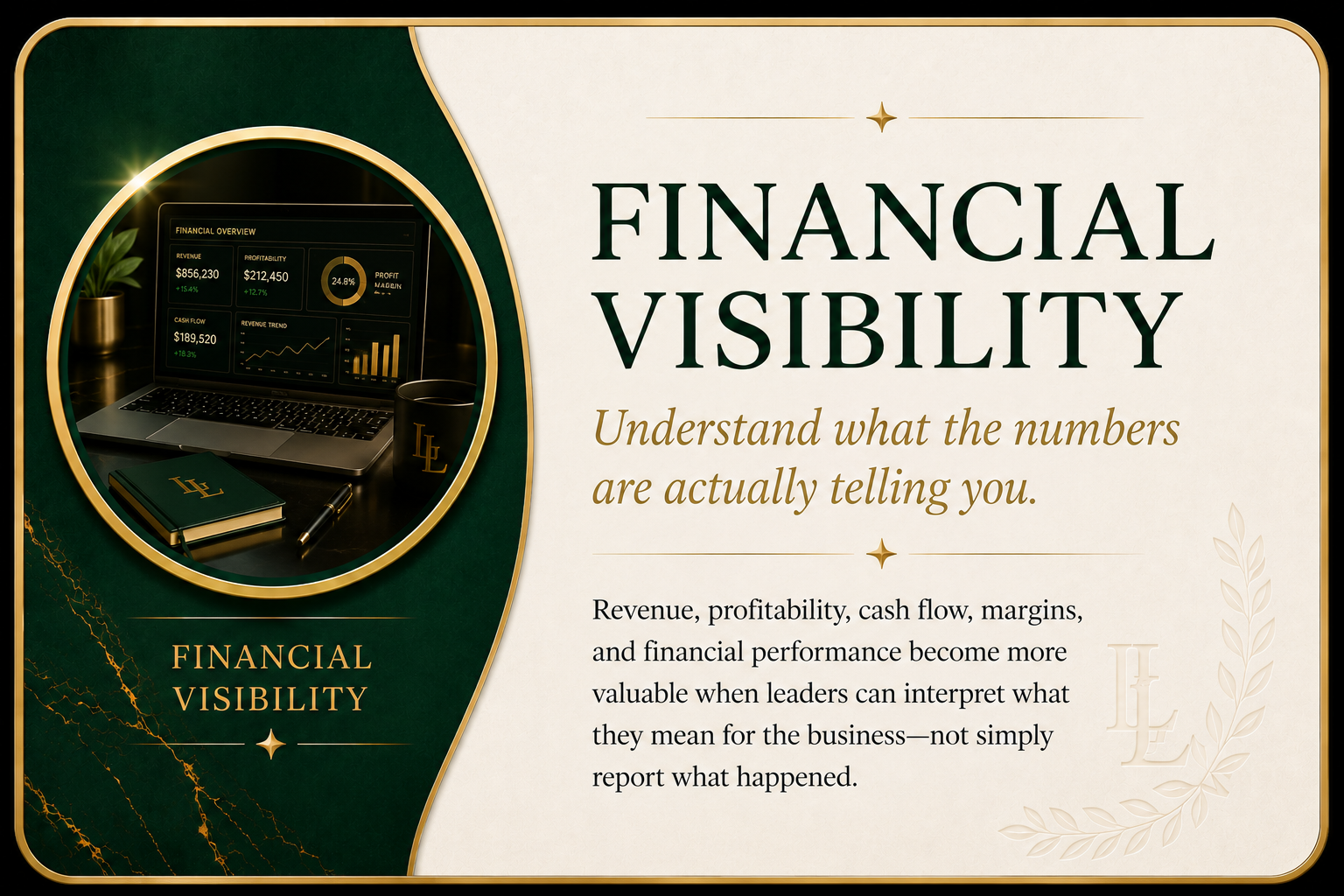
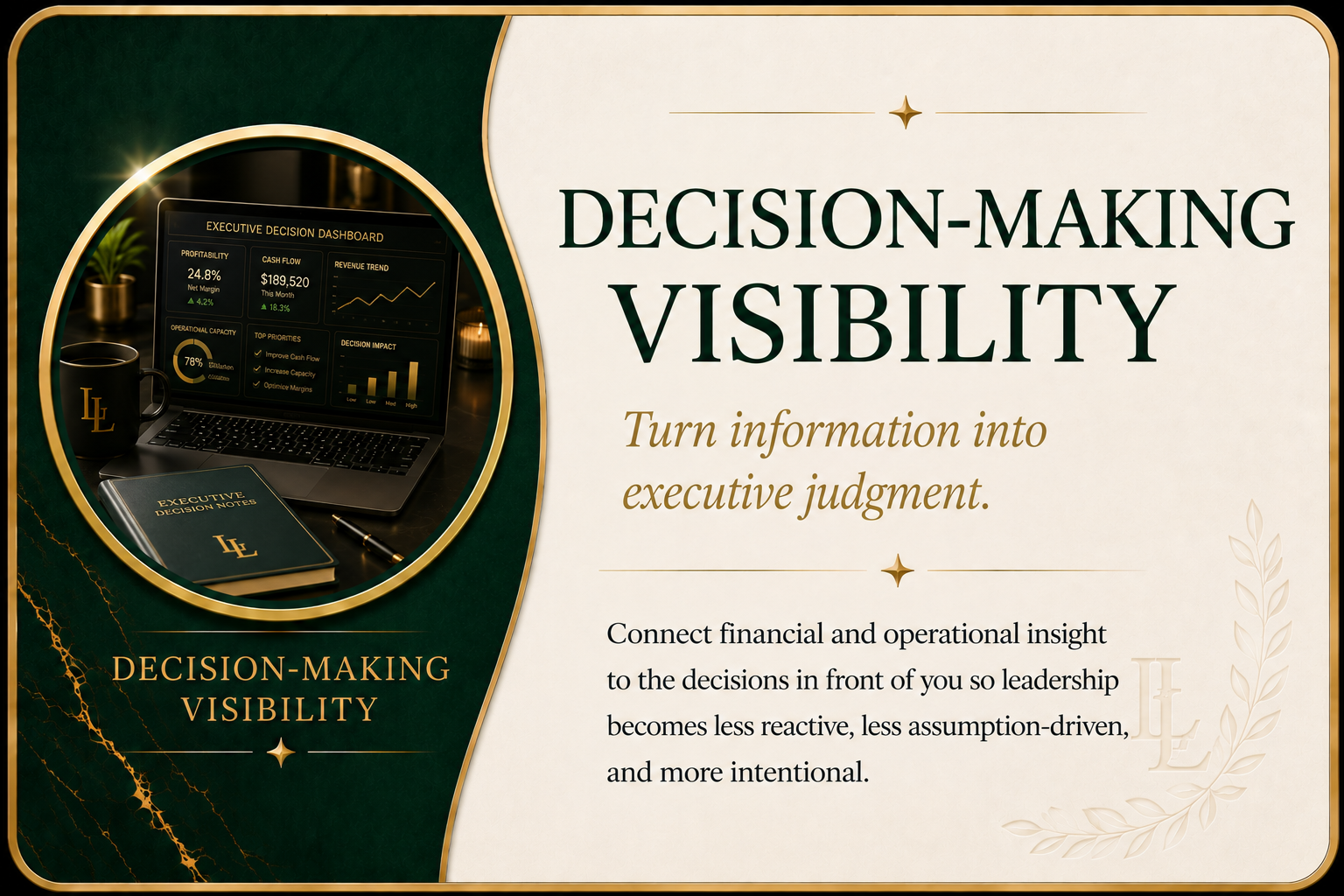
Financial Visibility™ is the ability to connect financial performance, operational reality, strategic priorities, and executive decision-making so leaders can understand what's happening and make more confident decisions about what comes next.
It means being able to see:
What's driving financial performance.
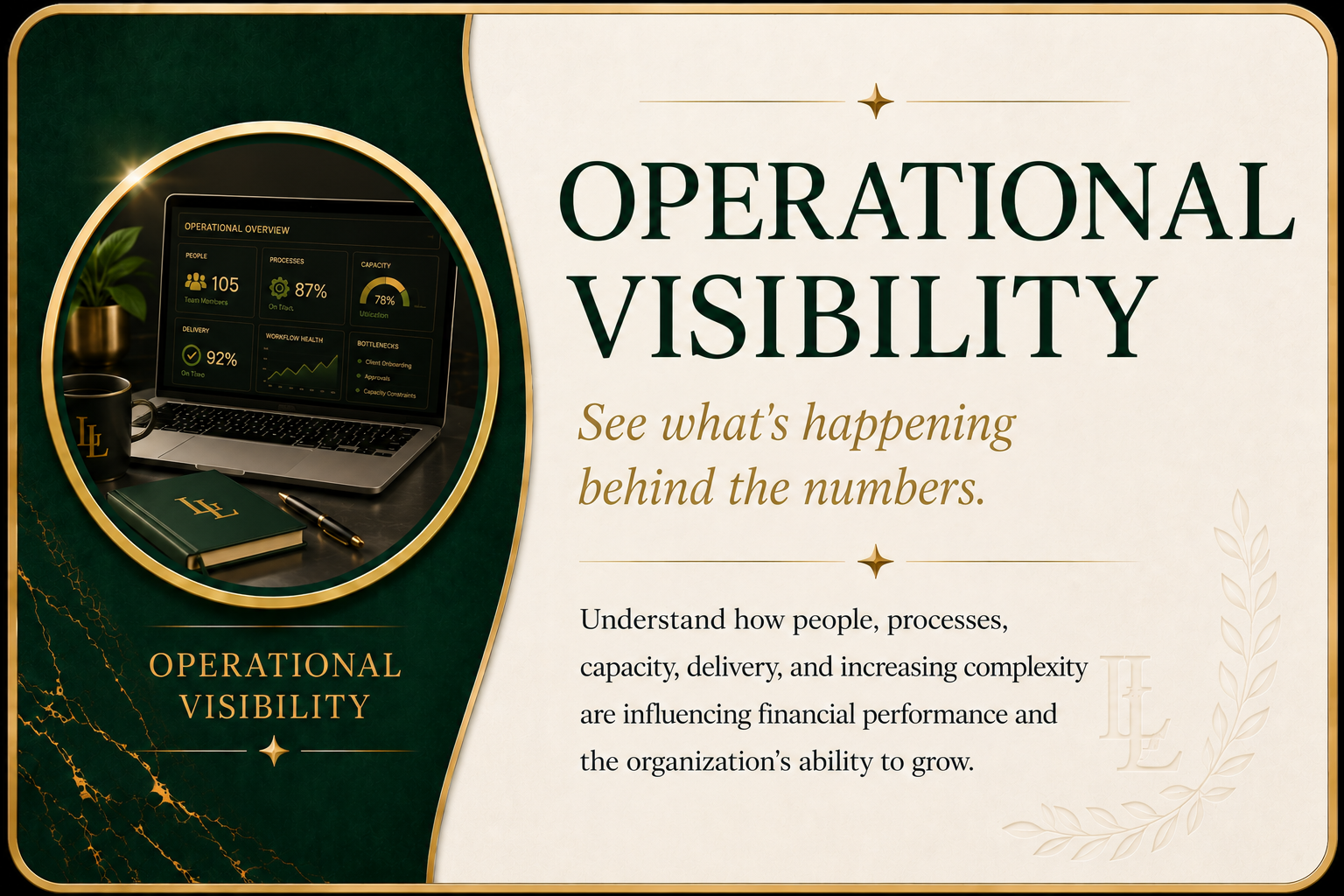
How operations are influencing results.
Where complexity or risk is beginning to emerge.
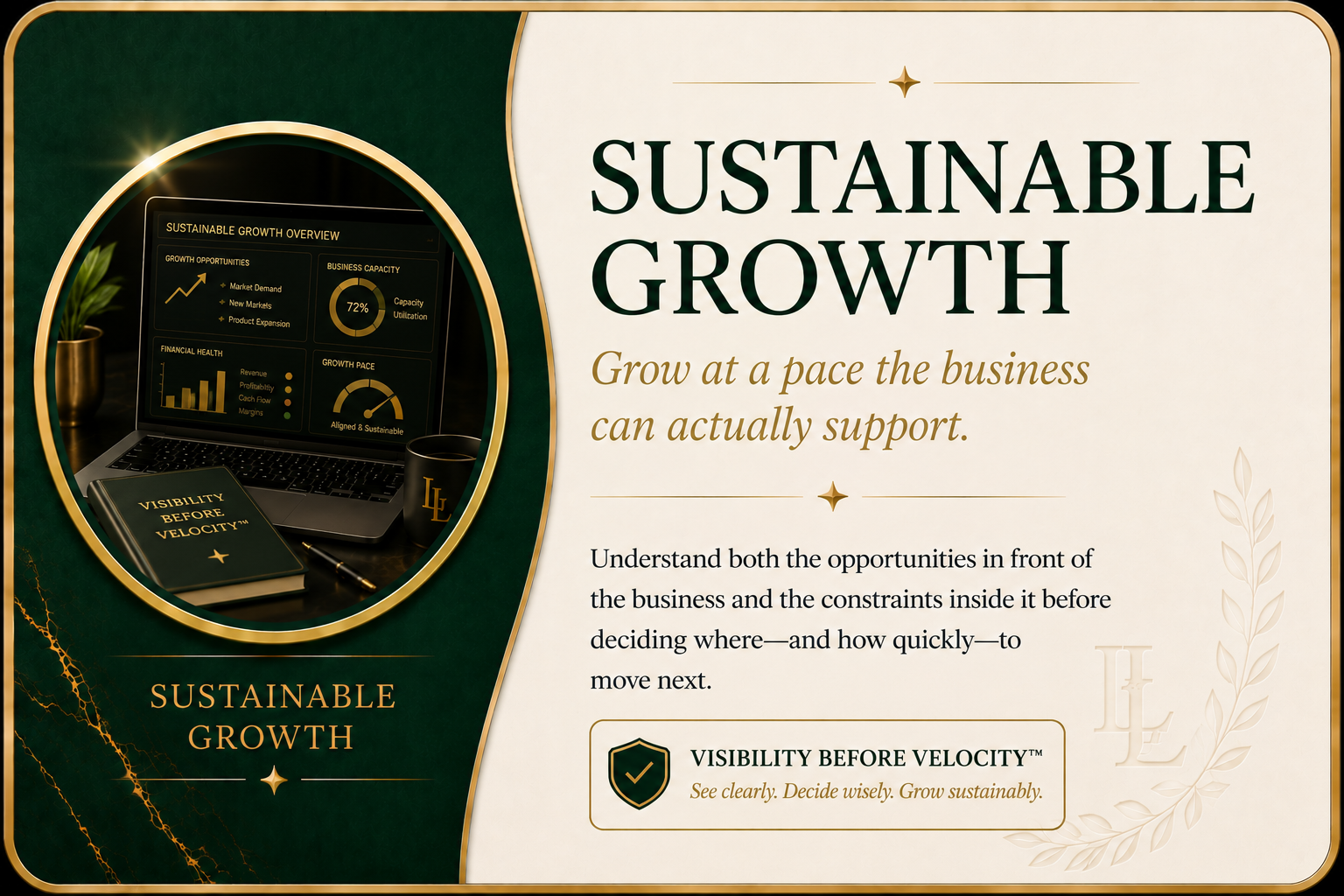
What the business can realistically support next.
Because information becomes valuable when a leader can use it to make a better decision.
THE LEADERSHIP ADVANTAGE
Visibility Creates Clarity. Clarity Strengthens Leadership.
Financial Visibility™ isn't about waiting until you have perfect information.
Leadership rarely gives you that luxury.
It's about having enough visibility to understand the relationship between performance, operations, priorities, and the decisions in front of you.
When those relationships become clearer, leaders can move with greater confidence.
They can identify what deserves attention.
Recognize what the business can support.
Make decisions with greater context.
And lead growth with more intention.
The goal isn't simply to build a business that grows.
It's to build a business you can see clearly enough to lead.
THE EVOLUTION OF THE PHILOSOPHY
Financial Visibility™ Was Never Meant to End With the Numbers.
As Financial Visibility™ evolved, something else became increasingly clear to me.
Seeing the business more clearly is only part of what strong leadership requires.
Leaders also need space to think.
Relationships with people who understand the weight of the decisions they're making.
Perspectives that challenge what they can see from their own vantage point.
Frameworks that help them turn insight into action.
And, at certain stages of growth, trusted guidance when the decisions become more consequential.
That's why Biz Wealth Builders Consulting evolved beyond traditional consulting.
The philosophy became an ecosystem.
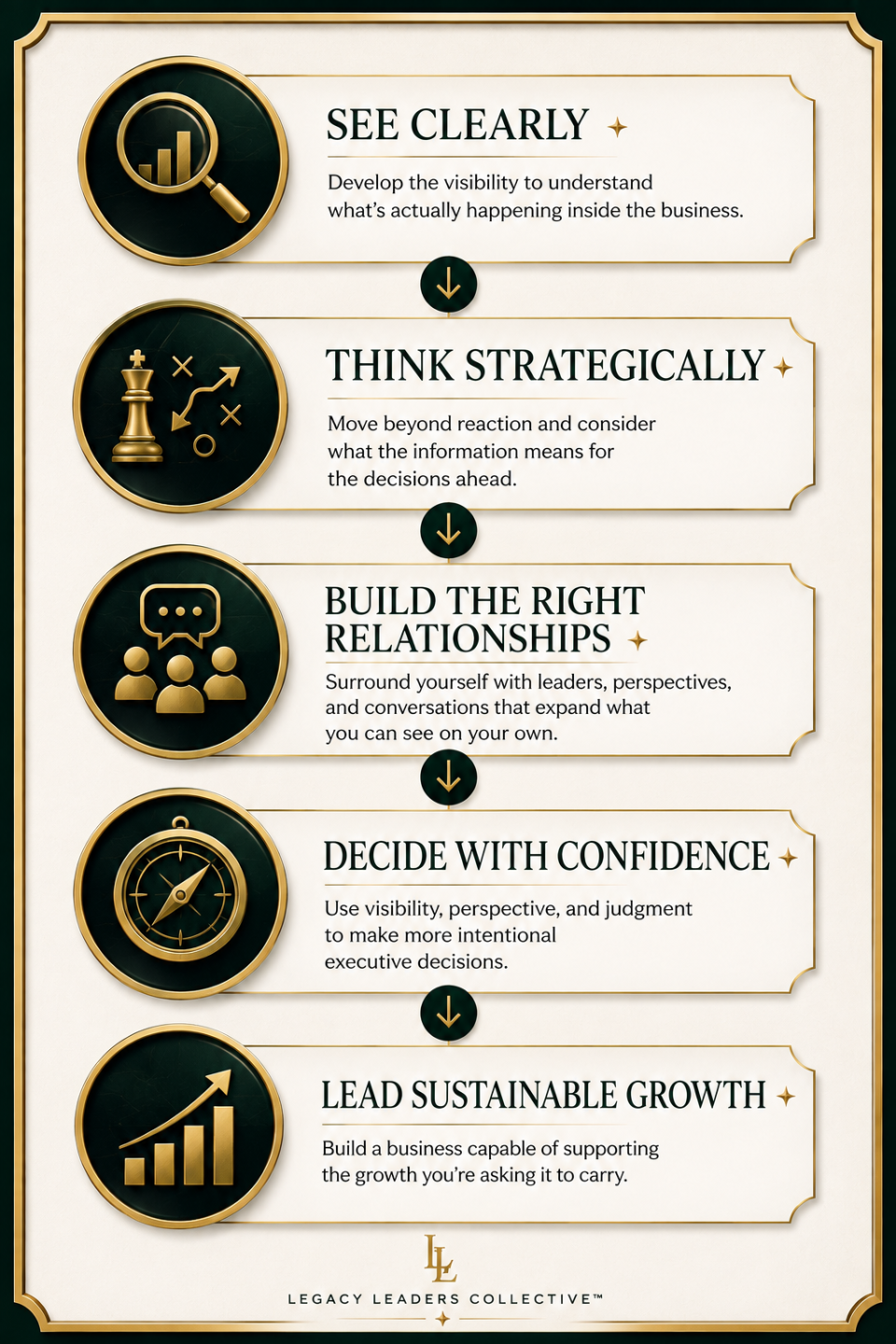
Designed Around How Leaders Actually Grow.
The BWB ecosystem isn't a collection of disconnected programs.
It's designed around a progression: helping leaders see the business more clearly, expand how they think, strengthen the relationships around them, and make better decisions about what comes next.
Because visibility isn't only about what you can see in the numbers.
It's also about what becomes visible through perspective, conversation, and the right relationships.
WHY RELATIONSHIPS MATTER
Some of the Most Valuable Leadership Insights Come From Outside Your Own Perspective.
Leaders don't develop through information alone.
We develop through exposure.
Exposure to different experiences.
Better questions.
Honest conversations.
Different perspectives.
And people who can see something we may not see ourselves.
That's why relationships became an essential part of the BWB ecosystem.
The right conversation can change a decision.
The right relationship can create an opportunity.
And the right room can expand what's possible next.
WHERE THE JOURNEY BEGINS
Legacy Leaders Collective™
Legacy Leaders Collective™ is the relationship entry point into the BWB ecosystem—a complimentary community for established women founders, CEOs, executives, and business leaders built around meaningful relationships, thoughtful executive conversation, and continued growth.
It's where women can begin experiencing the philosophy behind BWB while building relationships with other leaders navigating their own seasons of growth.
Because before you need the relationship, you need the opportunity to build it.
THE FOUNDATION BEHIND THE PHILOSOPHY
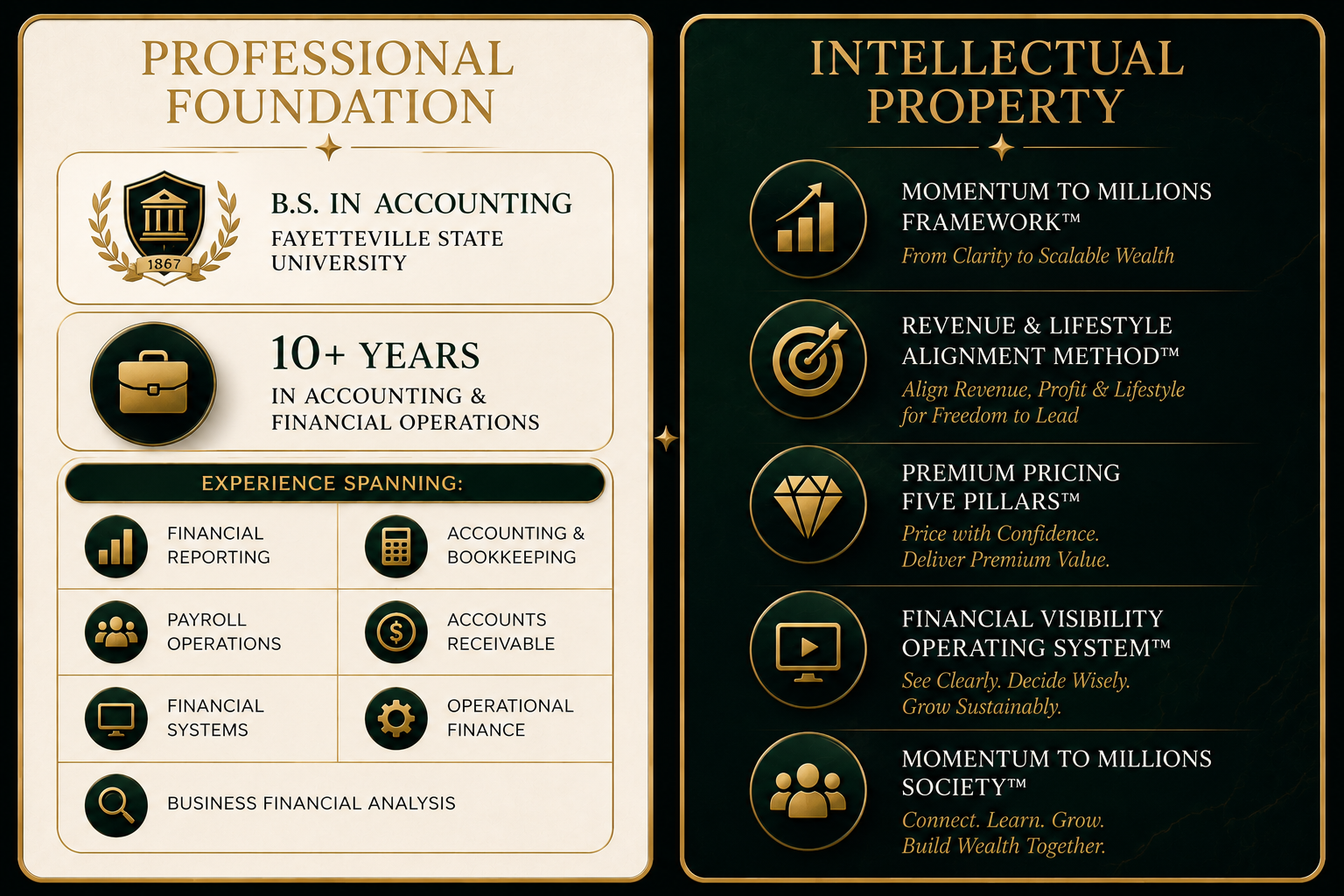
Built From Experience. Refined Into Intellectual Property.
Financial Visibility™ wasn't developed in theory.
It grew from more than a decade of working across accounting, financial reporting, payroll, bookkeeping, and financial operations—seeing how businesses perform, where systems begin to strain, and what happens when growth moves faster than the infrastructure supporting it.
That experience gave me the technical foundation.
Working alongside business owners gave me the perspective.
And years of examining the patterns behind the numbers turned those observations into a methodology.
FROM EXPERIENCE TO METHODOLOGY
Experience Gave Me the Evidence. The Philosophy Gave It Language.
Over time, recurring patterns became frameworks designed to help leaders see more clearly, think more strategically, and make stronger decisions.
I didn't set out to create a collection of intellectual property.
I was trying to understand a bigger question:
Why can capable leaders build successful businesses, have access to more information than ever, and still struggle to see what the business needs from them next?
Financial Visibility™ became the language for what I kept seeing.
The frameworks gave leaders a way to apply it.
And they continue to evolve through the businesses, leadership challenges, and executive conversations surrounding this work.
The Frameworks Didn't Create the Philosophy.
The Work Created the Frameworks.
HOW I THINK ABOUT LEADERSHIP
Clarity Rarely Comes From Having All the Answers.
I've learned that strong leaders don't always need another person handing them answers.
Sometimes they need a better question, a different perspective, an assumption challenged, or enough space to think beyond what's urgent.
That's why my approach begins with understanding before advising.
The goal isn't to think for the leader. It's to help the leader think more clearly.
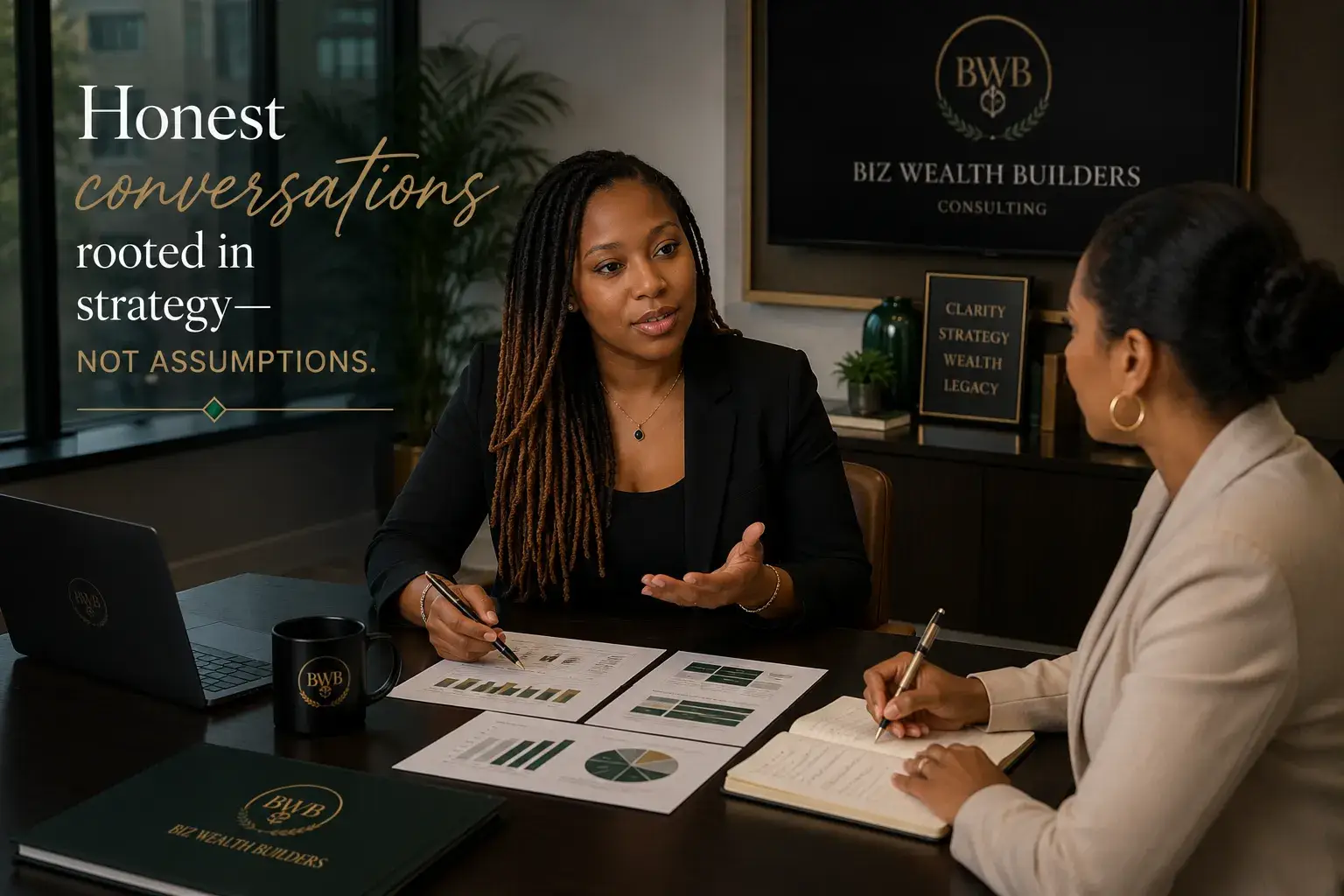
01 — HONEST CONVERSATIONS
Rooted in Reality—not Assumptions.
Meaningful executive conversations require candor.
That means understanding what's actually happening without manufacturing complexity, avoiding difficult truths, or jumping to a solution before we've understood the problem.
Clarity begins with an honest view of the business.
KEEP YOUR HONEST CONVERSATIONS VISUAL
02 — THOUGHTFUL QUESTIONS
Questions That Reveal What Others May Overlook.
The first explanation isn't always the underlying issue.
I ask questions designed to uncover the assumptions, constraints, patterns, and visibility gaps influencing the decision.
Because sometimes the question that changes the conversation is the one no one has asked yet.
Better questions create better visibility.
KEEP YOUR THOUGHTFUL QUESTIONS VISUAL

03 — PRACTICAL FRAMEWORKS
Thinking You Can Actually Use.
Insight only becomes valuable when something changes because of it.
I believe frameworks should simplify complexity—not add to it.
They should help leaders organize what they're seeing, recognize what matters, and translate insight into more intentional action.
The framework isn't the destination. Better judgment is.
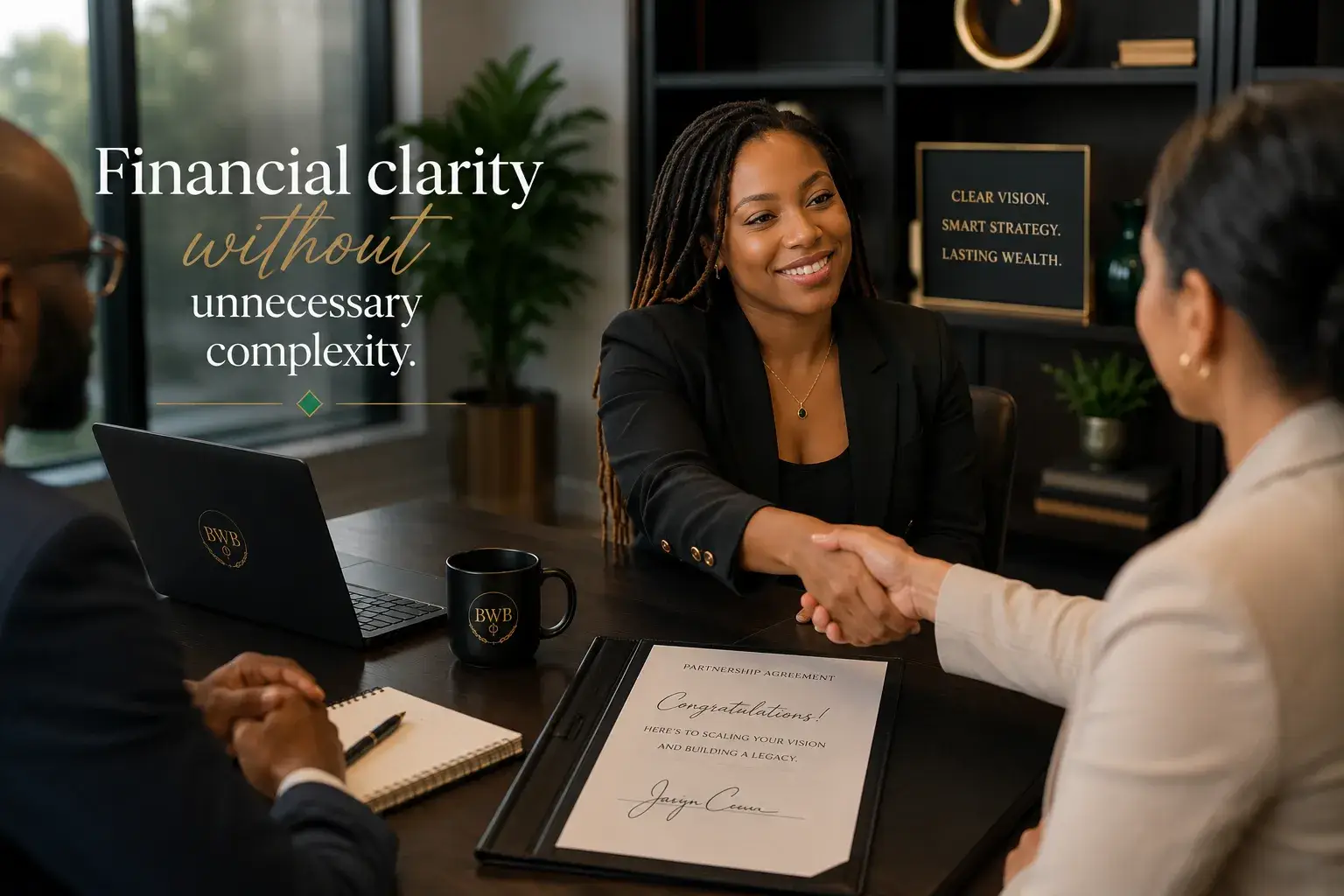
KEEP YOUR PRACTICAL FRAMEWORKS VISUAL
03 — PRACTICAL FRAMEWORKS
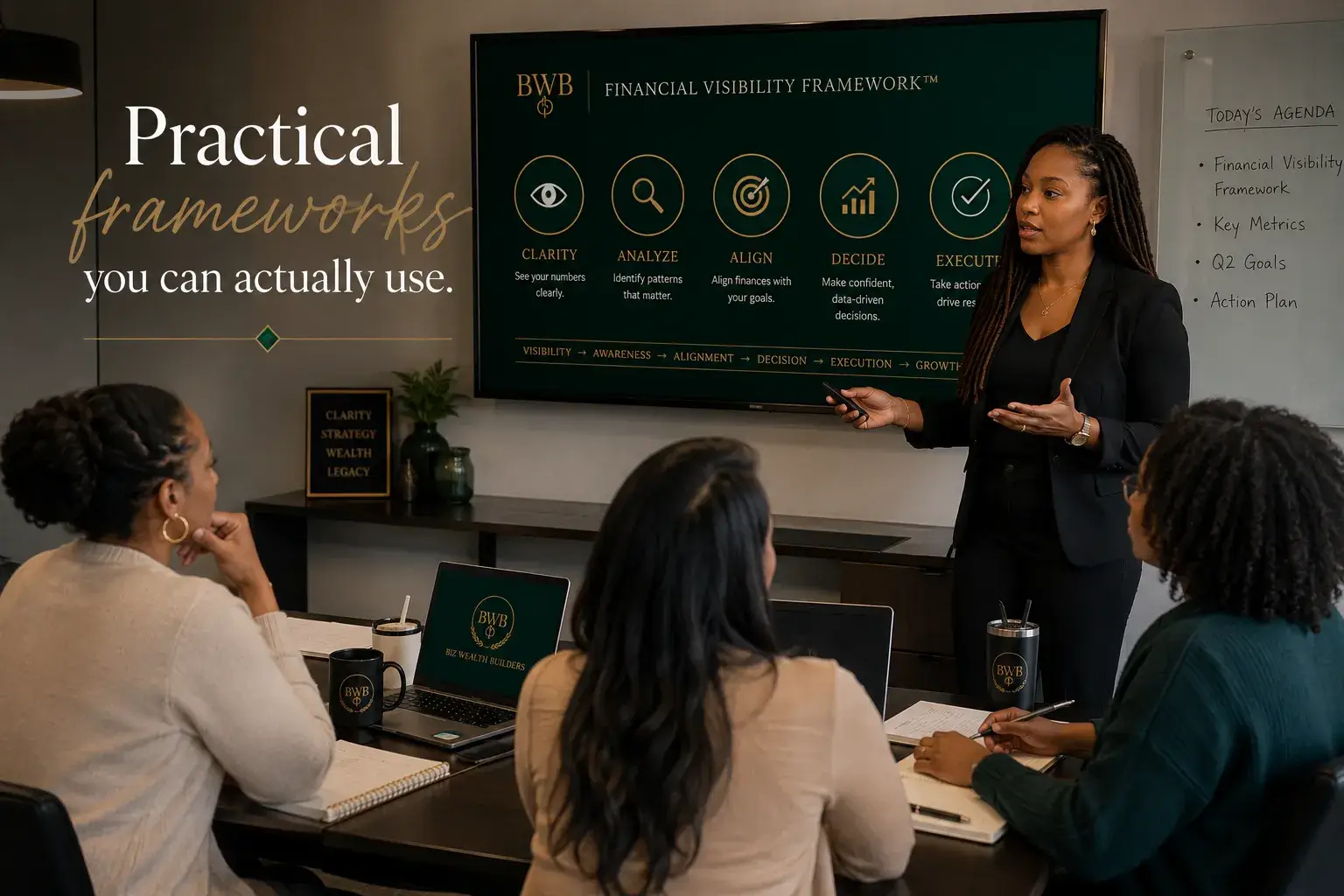
Thinking You Can Actually Use.
Insight only becomes valuable when something changes because of it.
I believe frameworks should simplify complexity—not add to it.
They should help leaders organize what they're seeing, recognize what matters, and translate insight into more intentional action.
The framework isn't the destination. Better judgment is.
KEEP YOUR PRACTICAL FRAMEWORKS VISUAL
THE PRINCIPLE BEHIND IT ALL
Leave the Leader Stronger Than When the Conversation Began.
Whether I'm advising a founder, facilitating an executive conversation, developing a framework, or building a community, the philosophy remains the same:
See what matters.
Question what we assume.
Bring structure to complexity.
Turn insight into better decisions.
And ultimately:
Strengthen the leader's ability to lead without creating greater dependency.
That's the standard I bring to the work.
THE PHILOSOPHY IN CONVERSATION
The Strongest Ideas Get Better When They're Challenged.
Financial Visibility™ may have started with my observations, but I don't believe meaningful ideas should develop in isolation.
Some of the most valuable evolution in my thinking has come through conversations with founders, CEOs, executives, advisors, and business leaders who bring perspectives different from my own.
They question ideas.
Challenge assumptions.
Share experiences.
And sometimes reveal something I hadn't considered.
Those conversations don't weaken a philosophy. They sharpen it.
EXECUTIVE PERSPECTIVES
Ideas Become Stronger Through Dialogue.
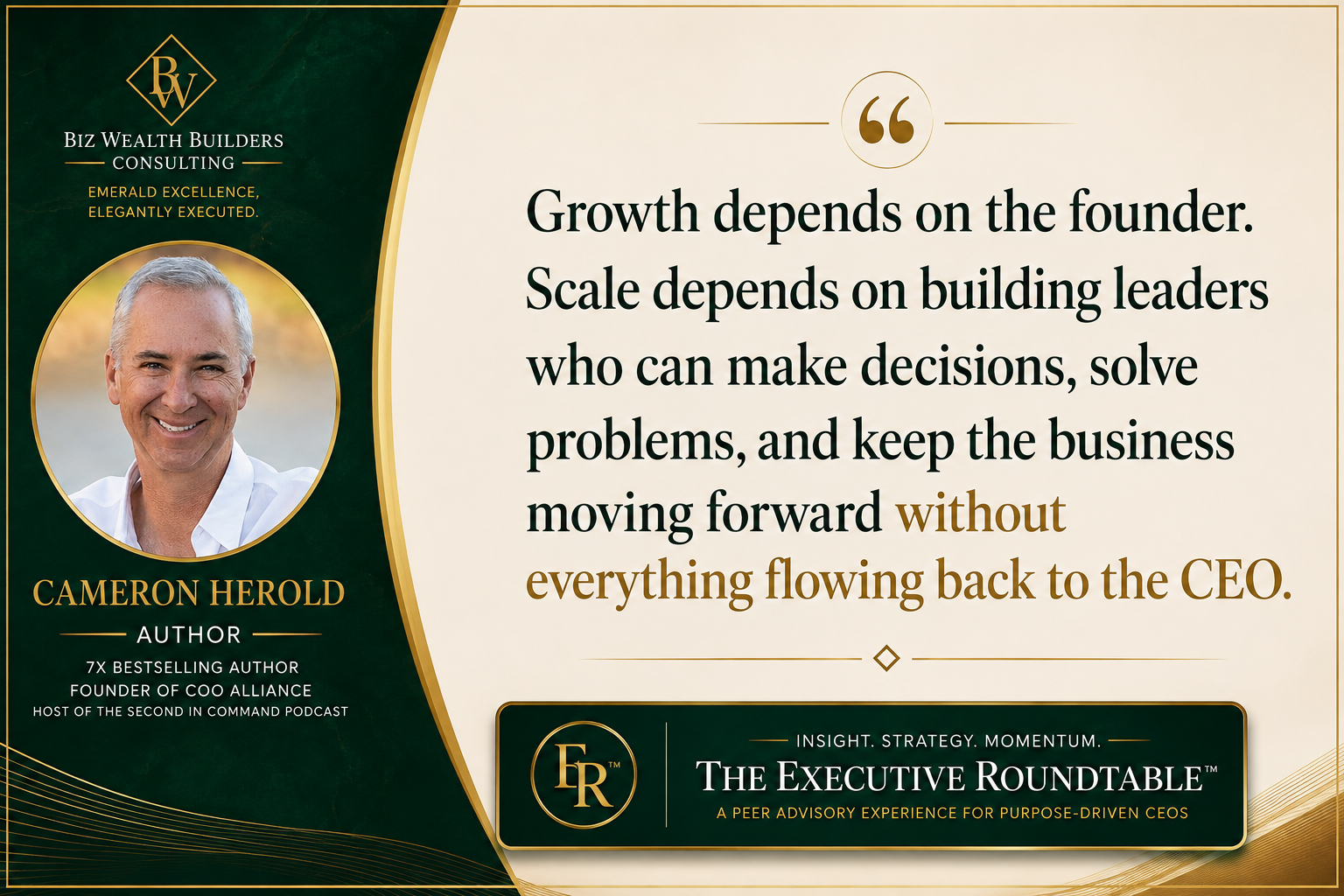
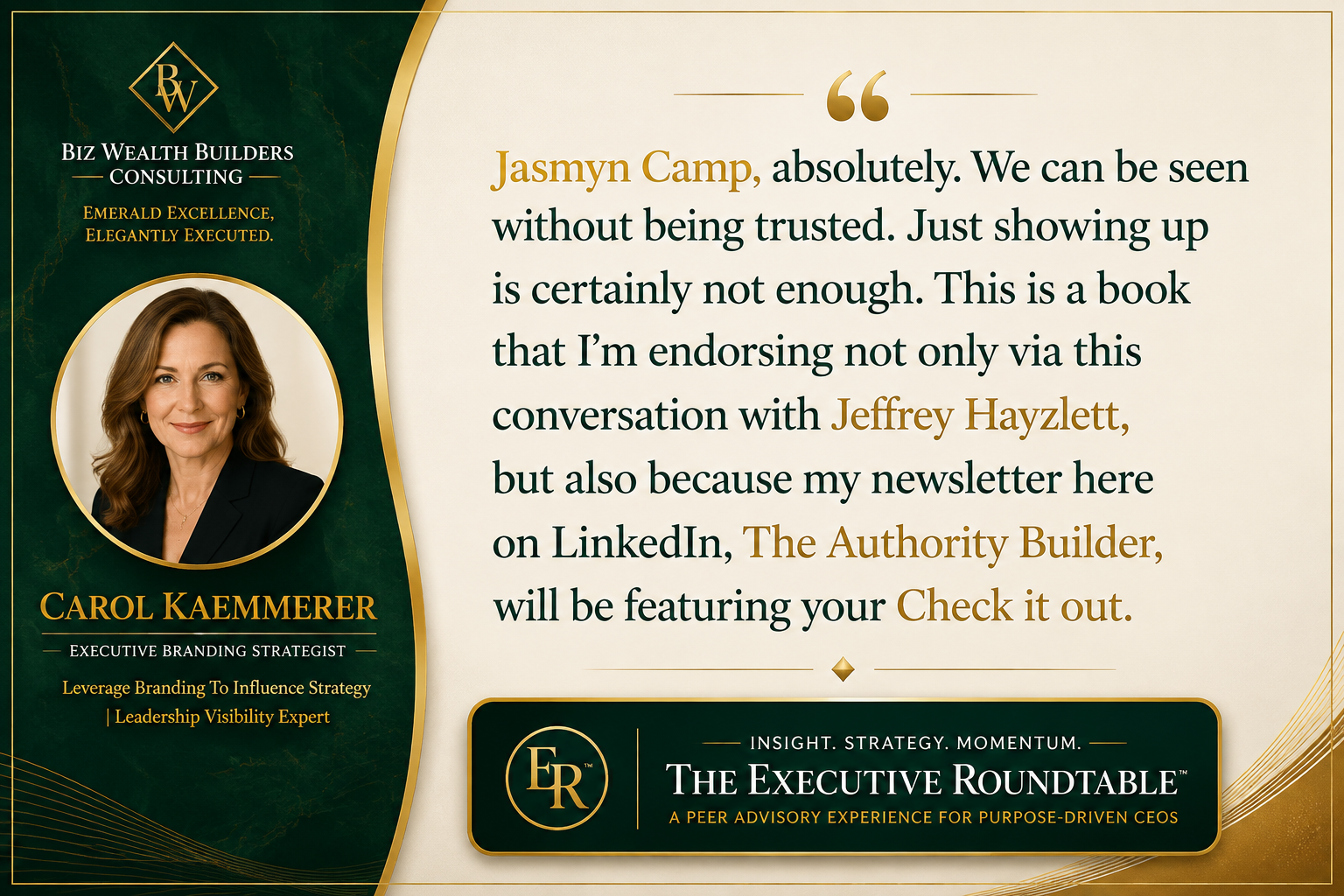
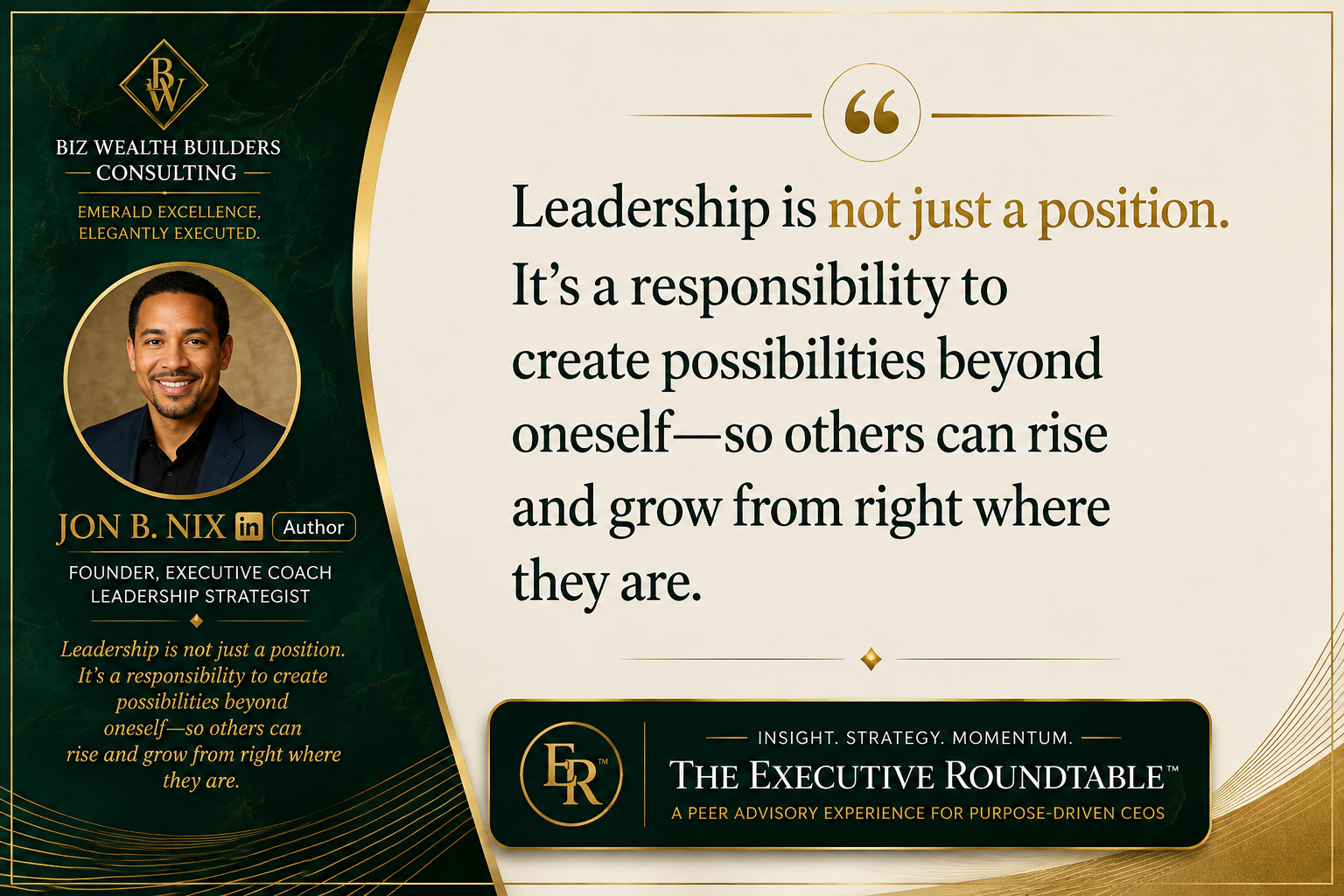
The perspectives below aren't client testimonials or claims about results.
They're real exchanges sparked by conversations around leadership, Financial Visibility™, decision-making, trust, and sustainable growth.
Growth doesn't always create the problem. Sometimes it simply exposes what leadership could no longer see clearly.
Trust grows when what a leader says, sees, decides, and does begins to align.
The goal isn't simply to build something bigger. It's to build something the organization and the leader, can actually sustain.
IDEAS GROW THROUGH RELATIONSHIPS
We Don't Develop Our Best Thinking Alone.
We need people who see differently.
People willing to challenge what we assume.
People whose experience expands our perspective.
And rooms where the conversation is thoughtful enough to change how we think after we leave.
Because if Financial Visibility™ helps us see the business more clearly, relationships can help us see beyond the limits of our own perspective.
And that belief eventually moved beyond philosophy.
It became a room.
THE EXECUTIVE ROUNDTABLE™
Where the Philosophy Becomes Conversation.
Executive Roundtables™ bring women founders, CEOs, executives, and business leaders together for facilitated conversations around the decisions, challenges, opportunities, and realities of leading growing businesses.
No lengthy presentations.
No rehearsed pitches.
No pressure to perform.
Just thoughtful leaders bringing real questions, different perspectives, and lived experience to the table.
You may arrive with one way of seeing the issue.
The value is leaving with perspectives you didn't have when you entered.
Come With a Question. Leave With a Different Perspective.
Complimentary for Legacy Leaders Collective™ members · Curated executive conversation · Limited seating
AN EVOLVING PHILOSOPHY
Financial Visibility™ Started as My Philosophy. The Conversations Are Making It Bigger Than Me.
Meaningful ideas should continue evolving through the people, businesses, and conversations surrounding them.
FOUNDER PSYCHOLOGY™
Seeing Clearly Is Only Part of the Work.
Financial Visibility™ helps leaders understand what's happening inside the business.
But information doesn't make decisions.
People do.
And every leader brings something into the decision with them:
Experience. Ambition. Fear. Confidence. Assumptions. Pressure. Past successes. Past mistakes.
That's why I've come to believe that understanding the business is only one part of strong executive decision-making.
Leaders also have to understand what they're bringing to the decision.
THE HUMAN SIDE OF DECISION-MAKING
The Business Can Be Clear While the Decision Still Feels Hard.
A founder can know the numbers and still hesitate.
See an opportunity and question whether she's ready.
Recognize what needs to change and still resist changing it.
Or have enough evidence to decide—and continue searching for more.
Visibility doesn't eliminate the human experience of leadership.
It gives us something clearer to lead from.
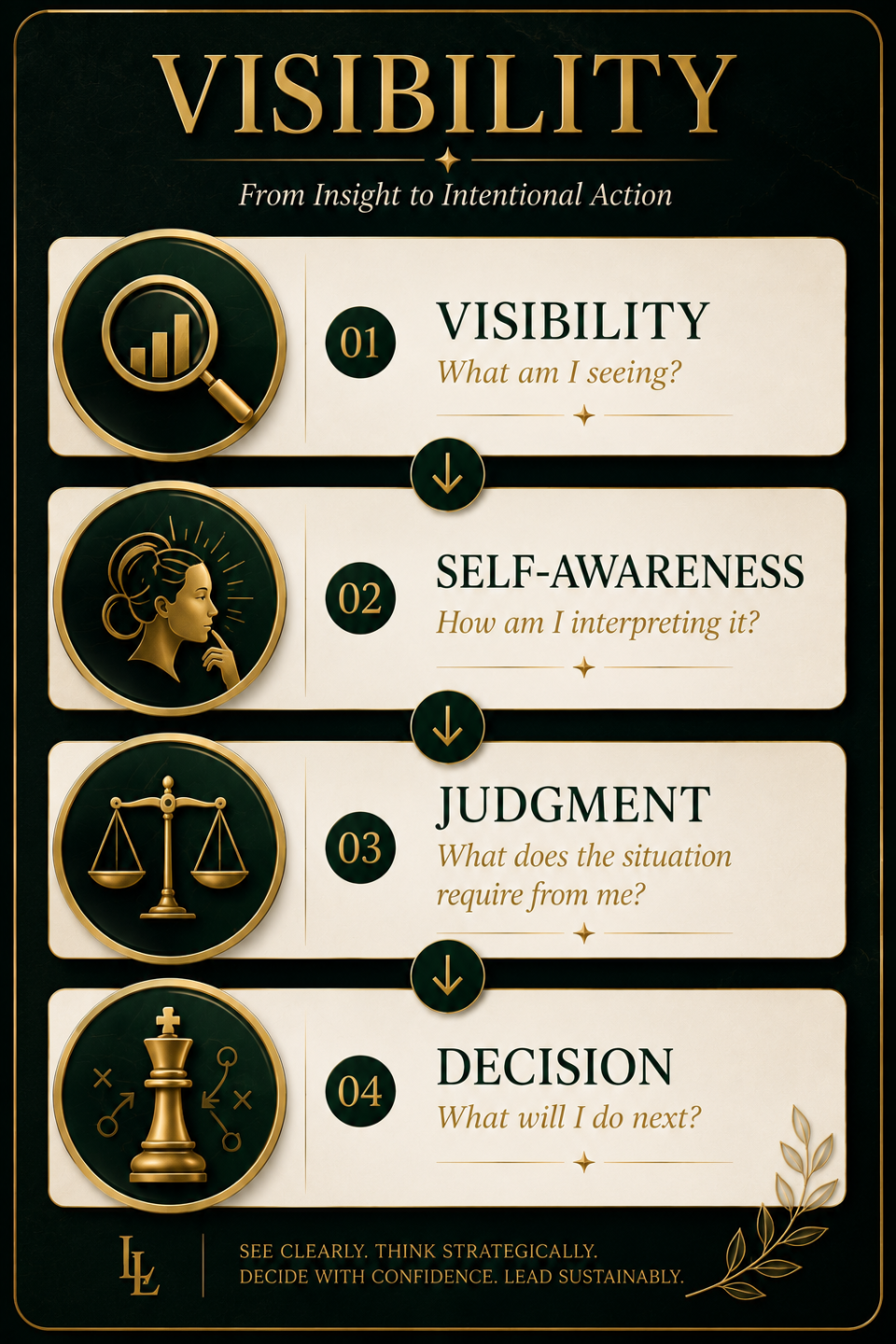
Visibility shows us what's there.
Self-awareness reveals what we're bringing to it.
Judgment determines what we do next.
FROM DECISION TO TRUST
Visibility Creates Clarity. Judgment Turns Clarity Into Trust.
Leaders are constantly being interpreted—by employees, clients, partners, peers, and the people deciding whether to follow, trust, recommend, or do business with them.
Trust isn't created simply because a leader appears confident.
It's strengthened when people consistently experience sound judgment.
When decisions make sense.
When actions align with what was communicated.
When the leader can explain the thinking behind a decision.
And when clarity remains present—even when circumstances become difficult.
WHY FOUNDER PSYCHOLOGY™ MATTERS
Better Information Doesn't Automatically Create Better Decisions.
I'm interested not only in what leaders know, but in what influences the decisions they make with what they know.
How pressure affects judgment.
How uncertainty influences behavior.
How identity becomes attached to business decisions.
How success changes risk tolerance.
And how leaders respond when the evidence challenges what they hoped would be true.
That's the thinking behind Founder Psychology™.
Not removing emotion from leadership.
Not pretending uncertainty disappears.
But developing enough visibility, self-awareness, and judgment that fear, urgency, ego, or attachment doesn't have to make the decision for you.
Because building a stronger business also requires developing the leader responsible for building it.
The Strongest Leaders Aren't Those Who Never Experience Uncertainty.
They're the Ones Who Can See Clearly Enough to Lead Through It.
WHERE PHILOSOPHY BECOMES COMMUNITY
You Don't Have to Build What Comes Next Alone.
Everything I've built through Biz Wealth Builders Consulting comes back to one belief:
Leaders make better decisions when they have greater visibility, stronger perspectives, and the right people around them.
Financial Visibility™ helps leaders see the business more clearly.
But some of the most valuable visibility comes from outside our own perspective.
A thoughtful question.
A different experience.
A conversation with someone who understands the decisions you're carrying.
Or a relationship that changes what becomes possible next.
That's why I created Legacy Leaders Collective™.
THE PHILOSOPHY CONTINUES INSIDE THE ROOM
A Community Built Around the Relationships Leaders Need as They Grow.
Legacy Leaders Collective™ is a complimentary, curated community for established women founders, CEOs, executives, consultants, and business leaders who value meaningful relationships, thoughtful executive conversation, and continued growth.
Through Executive Roundtables™ and continued connection inside the Collective, members have opportunities to exchange perspectives, build relationships, and think alongside women navigating their own seasons of leadership and growth.
Because sometimes the perspective that changes your next decision comes from the woman sitting across the table.
RESERVE MY PLACE IN THE COLLECTIVE™Complimentary membership · Executive Roundtables™ · Curated community for established women leaders